


Problem Statement – Organizations globally strive to navigate the complexities of Digital Transformation, yet many falter due to inadequate governance structures and ineffective tactical execution plans. A robust governance framework is essential for aligning digital initiatives with strategic goals, ensuring efficient resource allocation, and managing risks effectively. Without such a framework, digital transformation efforts can become fragmented, leading to inefficiencies and missed opportunities.
The Importance of Governance in Digital Transformation:
Effective Digital Governance is essential for aligning digital initiatives with the organization’s strategic objectives, ensuring efficient resource utilization, and managing risks proactively. It provides a structured approach to decision-making, performance measurement, and continuous improvement, which are critical for the success of digital transformation efforts.
By establishing robust governance structures, including a Federalized IT Governance model, organizations can navigate the complexities of digital transformation more effectively, achieve better alignment between business and technology goals, and ultimately realize the full potential of their digital investments.
The Solution: Implementing Robust Digital Governance
Organizations must establish comprehensive governance structures to achieve successful digital transformations that facilitate strategic alignment, effective oversight, and continuous improvement. Here are the key components of an effective digital governance framework:
1. Digital/IT Steering Committee:
A Digital/IT Steering Committee is a high-level body crucial for guiding digital transformation initiatives. Comprising senior business and technology executives, this committee is responsible for strategic decision-making, approving major initiatives, and overseeing resource allocation.
- Strategic Decision-Making: Ensures alignment of digital initiatives with organizational goals.
- Resource Allocation: Manages and prioritizes the distribution of resources to critical projects.
- Risk Management: Identifies and mitigates potential risks.
2. Centralized Information Management:
Effective governance requires a centralized repository of data/information about all digital initiatives. This centralization facilitates better tracking, evaluation, and coordination of projects.
- Transparency: Promotes transparency across the organization, ensuring all stakeholders have access to up-to-date information.
- Consistency: Maintains consistency in the evaluation and prioritization of digital initiatives.
3. Decentralized Execution with Centralized Oversight:
While strategic decisions and evaluations should be centralized, the execution of digital initiatives benefits from a decentralized approach. This balance allows for flexibility and responsiveness at the execution level while maintaining strategic alignment and oversight.
- Empowerment: Decentralized execution empowers teams to innovate and adapt quickly.
- Coordination: Centralized oversight ensures coordination and alignment with the overall strategy.
4. Federalized IT Governance Model:
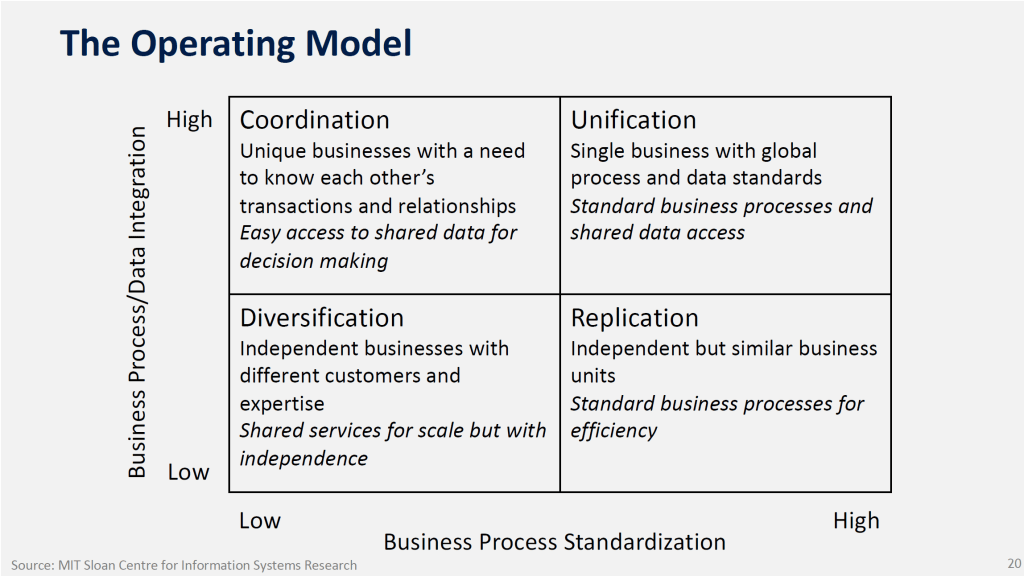
A federalized IT governance model combines centralized and decentralized approaches, offering a balanced framework for managing digital transformation. In this model, strategic decisions and core services are managed centrally, while individual business units retain the flexibility to manage their specific needs.
- Strategic Control: Centralized governance provides strategic control, ensuring alignment with organizational goals.
- Local Flexibility: Business units have the autonomy to address their unique requirements and innovate independently.
- Synergy and Integration: This model promotes synergy and integration across the organization, leveraging shared services and technologies.
5. KPI-Driven Performance Measurement:
Governance structures must include mechanisms for measuring the performance and impact of digital initiatives. Key Performance Indicators (KPIs) should be defined to track progress and evaluate outcomes.
- Impact Measurement: KPIs should focus on measuring the real impact of initiatives on business performance and customer satisfaction.
- Continuous Improvement: Regular performance reviews help identify areas for improvement and ensure the organization remains on track to achieve its digital transformation goals.
6. Avoiding Siloed Solutions:
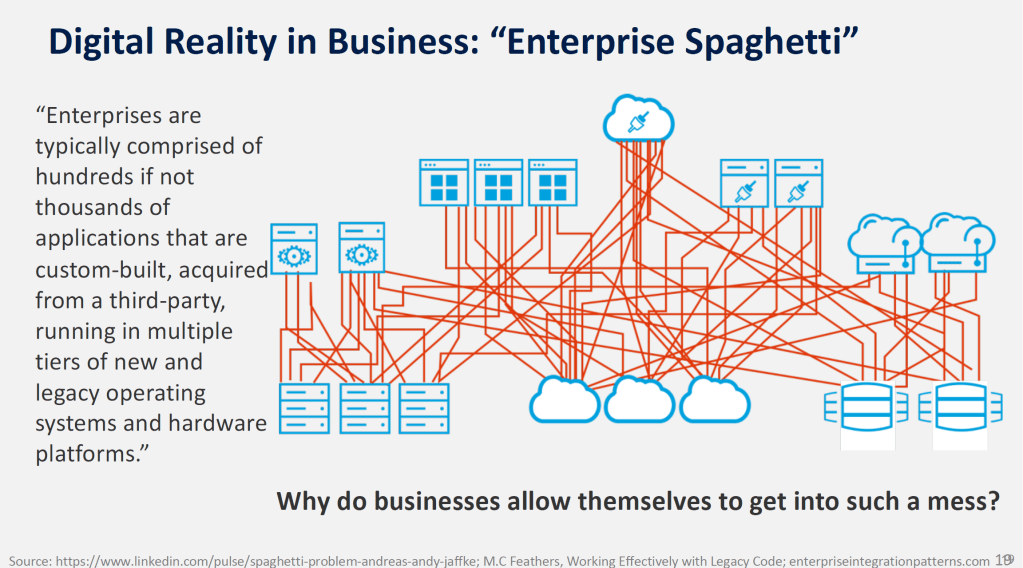
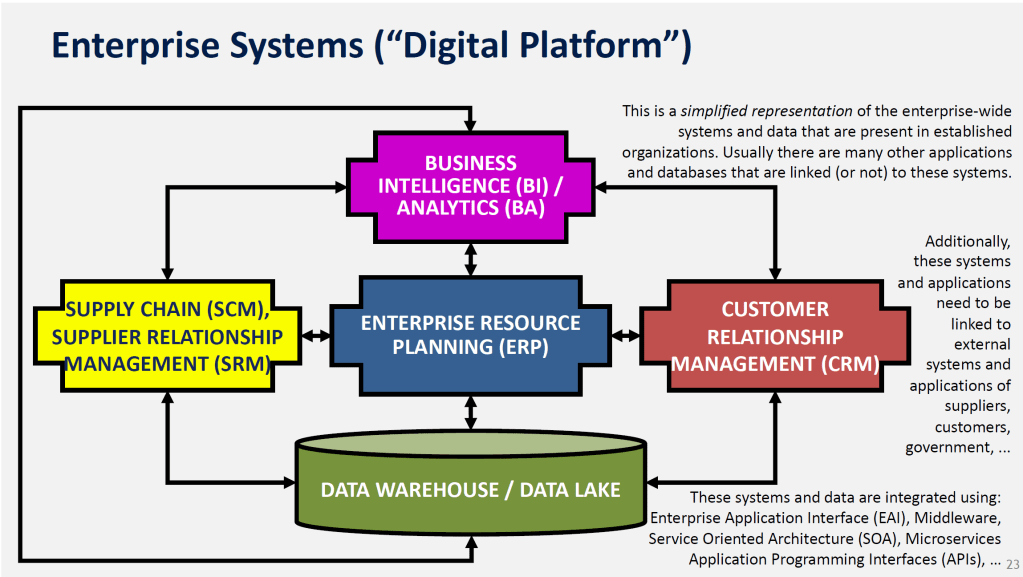
One of the key governance principles is to avoid the development of siloed solutions. Ensuring data compatibility, technical consistency, and continuous integration of new initiatives with existing systems is crucial for achieving seamless operations and maximizing the value of digital investments.
- Integration: Governance structures should facilitate the integration of new digital initiatives with existing systems and processes.
- Compatibility: Ensuring data compatibility across different systems helps avoid data silos and promotes effective data utilization.
Conclusion:
Digital Transformation is a multi-faceted journey that requires more than just technological upgrades. It demands a well-structured governance framework that can provide strategic direction, oversee execution, and ensure continuous alignment with business objectives. By focusing on these governance principles, organizations can enhance their chances of success and build a strong foundation for sustained digital innovation.
Note – Images are sourced from CornellEMBA Digital Information Systems course.
#CornellEMBA #AIForBusiness #DigitalTransformation #DigitalLeadership




 An Insight Blog: My Perspectives and My Learnings
Leave a comment